
section heading hidden

Our Latest News


Article
- Home
- Blog
- By Setting Up an Inflatable Slide on Uneven Ground Safely
- Comments 35
- 19 Nov 2026
The Real Differences Between Slots, Poker, and Sports Betting
Most people lump all gambling together. Slots, poker, and sports betting are the same thing, right? Just different ways to lose money. That’s like saying a marathon, a sprint, and a chess match are all just ‘games.’ Sure, they share a finish line, but the strategy, the psychology, and the house edge are worlds apart. If you don’t understand those differences, you’re not gambling – you’re donating. Let’s break down the three pillars of iGaming so you can actually play smart, or at least know exactly what game you’re sitting in.
Slots: The Engineered Entertainment Machine
Slots are the casino’s cash cow, and for good reason. They’re simple, fast, and require zero skill. That doesn’t mean they’re all identical. A modern video slot is a complex piece of software with a specific RTP (Return to Player) percentage, volatility profile, and hit frequency. For example, a low-volatility slot like Starburst (RTP ~96.1%) pays out small amounts frequently, keeping you in the game. A high-volatility monster like Book of Ra (RTP ~95.1%) might eat your bankroll for 200 spins before hitting a bonus that pays 500x. Neither is ‘better’ – they suit different temperaments.
Here’s what most players miss: the RTP is calculated over millions of spins. In a single session, you’re not guaranteed to get 96% back. You’re riding a random wave. The house edge on slots is typically 2–10%, higher than most table games. So why play? Because the potential multiplier is huge. A $1 spin can turn into $10,000. That lottery-style thrill is the product. My advice: treat slots as paid entertainment, not an investment. Set a loss limit per session (e.g., $50) and stick to it. And always check the paytable – some games have ‘max bet’ requirements to unlock the full jackpot.
Poker: The Only Game Where You Beat Other Players
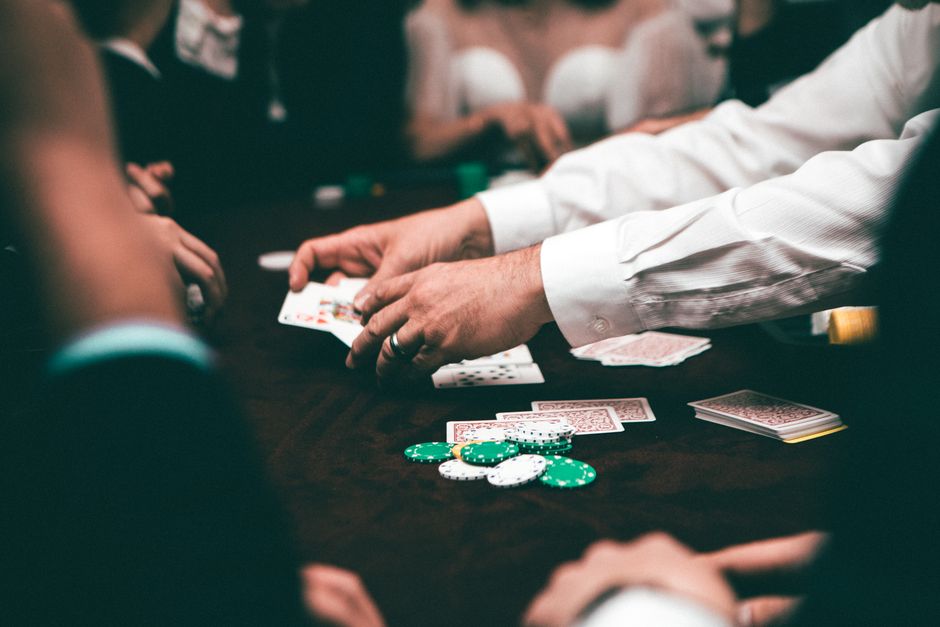
Poker is unique because you’re not playing against the house. You’re playing against other humans, and the house takes a rake (a small cut of each pot). That means a skilled player can have a positive expected value (EV) over time. A slot player never has an edge. A poker player can. That’s the fundamental difference.
But here’s the catch: poker is a zero-sum game minus the rake. For you to win, someone else must lose. And the skill gap matters enormously. In low-stakes games ($1/$2 no-limit hold’em), the rake often eats up any edge you might have. In high-stakes games, the best players crush the weak ones. If you’re new, start with play money or micro-stakes to learn hand ranges, position, and pot odds. A common beginner mistake is playing too many hands. Tight-aggressive (TAG) strategy – playing only premium hands like AA, KK, QQ, AK – will beat 80% of casual players at low limits.
Also, variance in poker is brutal. You can play perfectly and lose for weeks due to bad beats. That’s why bankroll management is non-negotiable. A rule of thumb: have at least 20 buy-ins for cash games (e.g., $2,000 for $1/$2) and 50–100 buy-ins for tournaments. Without that cushion, you’ll go broke even if you’re the best player at the table. You will find a helpful summary at สล็อต.
Sports Betting: Information vs. The Bookmaker
Sports betting feels more ‘intellectual’ than slots. You study form, injuries, weather, and line movements. But the bookmaker has a built-in edge called the vig (or juice). On a standard -110 line, you risk $110 to win $100. That implies a 52.4% implied probability, but the true probability is 50% if the line is fair. That 2.4% is the bookie’s profit. To be a long-term winner, you must predict outcomes more accurately than the market’s implied odds.
Most bettors lose because they bet with their hearts, chase losses, or parlay everything for lottery-style payouts. Sharp bettors do the opposite: they line shop for the best odds, bet underdogs when the public overreacts, and track their closing line value (CLV). If you consistently bet a team at +150 and the line closes at +130, you’ve got a good process even if you lose that bet. Over 1,000 bets, that edge compounds.
Here’s a concrete tip: avoid ‘fun’ bets like same-game parlays. The house edge on a 5-leg parlay can exceed 20%. Instead, focus on straight bets or 2-leg teasers where the odds are more favorable. And never bet more than 1–2% of your bankroll on a single game. Even a 60% win rate will have losing streaks of 5–6 games.
Which Game Fits Your Personality and Bankroll?
There’s no universal ‘best’ game. It depends on what you want:
- If you want zero thinking and pure luck: Slots. Just pick low volatility if you want longer sessions, high volatility if you want a shot at a life-changing multiplier.
- If you want to compete and improve: Poker. But be ready to study, review hands, and accept that you’re the product if you’re bad.
- If you love sports and statistics: Sports betting. But treat it like a part-time job – track every bet, analyze closing lines, and never bet on your favorite team just because.
A common trap is mixing them. Playing slots to ‘warm up’ before poker is nonsense. They use different mental muscles. And playing poker after a few drinks? That’s just donating to the table. Decide your session’s game before you log in.
Bankroll Management: The One Rule That Applies to All Three
I don’t care if you’re spinning $0.10 slots or betting $500 on the NBA finals. If you don’t manage your money, you will lose it. Period. Here’s a simple framework:
- Separate your gambling bankroll from life money. Never use rent, savings, or credit cards.
- Set a session loss limit and a win goal. If you’re up 50% on your buy-in, consider quitting. The casino will always be there tomorrow.
- Adjust bet size to bankroll. For slots, bet no more than 0.5% of your bankroll per spin (e.g., $1 spin with $200 bankroll). For poker, 5% per buy-in. For sports, 1–2% per bet.
- Track everything. A simple spreadsheet with date, game, bet size, and result. After 100 sessions, you’ll see patterns you never noticed.
One more thing: the house always has an edge in slots and sports betting. In poker, you can flip that edge against weaker players. But none of it matters if you play with money you can’t afford to lose. That’s when gambling stops being entertainment and becomes a problem.
The Bottom Line: Play the Player, Not the Game
After years in this space, I’ve seen one truth hold up: the game doesn’t determine whether you win. You do. A disciplined slots player with a strict loss limit loses less than a reckless poker player who thinks they’re Phil Ivey. A sharp sports bettor who line shops and bets small will outlast a parlay addict every time. The iGaming industry designs these games to be addictive – flashing lights, near misses, ‘almost’ jackpots. Your job is to treat them as what they are: entertainment with a cost. Pick the game that matches your temperament, set your limits before you play, and never chase. Do that, and you’ll actually enjoy the ride without waking up broke. And if you can’t stick to limits? Walk away. The casino will still be there when you’re ready to play smart.
Share:

Best Inflatable Games for Family Fun Days
Clear toys, stones and pet mess from the lawn, check gate widths and move fragile items before the delivery team arrives with heavy equipment.
5 Comments
-

Robert Sonny says Jul 21, 2024 at 10:00am
I must explain to you how all this mistaken idea of denouncing pleasure and praising pain was born and I will give you a complete account of the system
Reply-

John Abraham says Jul 21, 2024 at 10:00am
I must explain to you how all this mistaken idea of denouncing pleasure and praising pain was born and I will give you a complete account of the system
Reply-

Robert Sonnysays Jul 21, 2024 at 10:00am
I must explain to you how all this mistaken idea of denouncing pleasure and praising pain was born and I will give you a complete account of the system
Reply
-
-
-
Robert Sonny says Jul 21, 2024 at 10:00am
I must explain to you how all this mistaken idea of denouncing pleasure and praising pain was born and I will give you a complete account of the system
Reply
Leave a reply

Trending Topics
Popular Post


How We Can
Help You!
Learn what affects hire costs, including castle size, delivery distance, overnight keep and weekend demand, then budget for a refundable deposit.
Contact Us
There are many variations of passages of Written for people who value the details, and want honest guidance they can trust.
Important Link
Recent Post
Newsletter
Many desktop publi’s shing packages web page editors now is use sites.
Copyright © 2026 Bounce Hire Locally. All rights reserved.Bounce Hire Locally.